ΒΙΒΛΙΑ ΣΤΑ ΕΛΛΗΝΙΚΑ
Προϊόντα

Κατηγορίες
Άρθρα

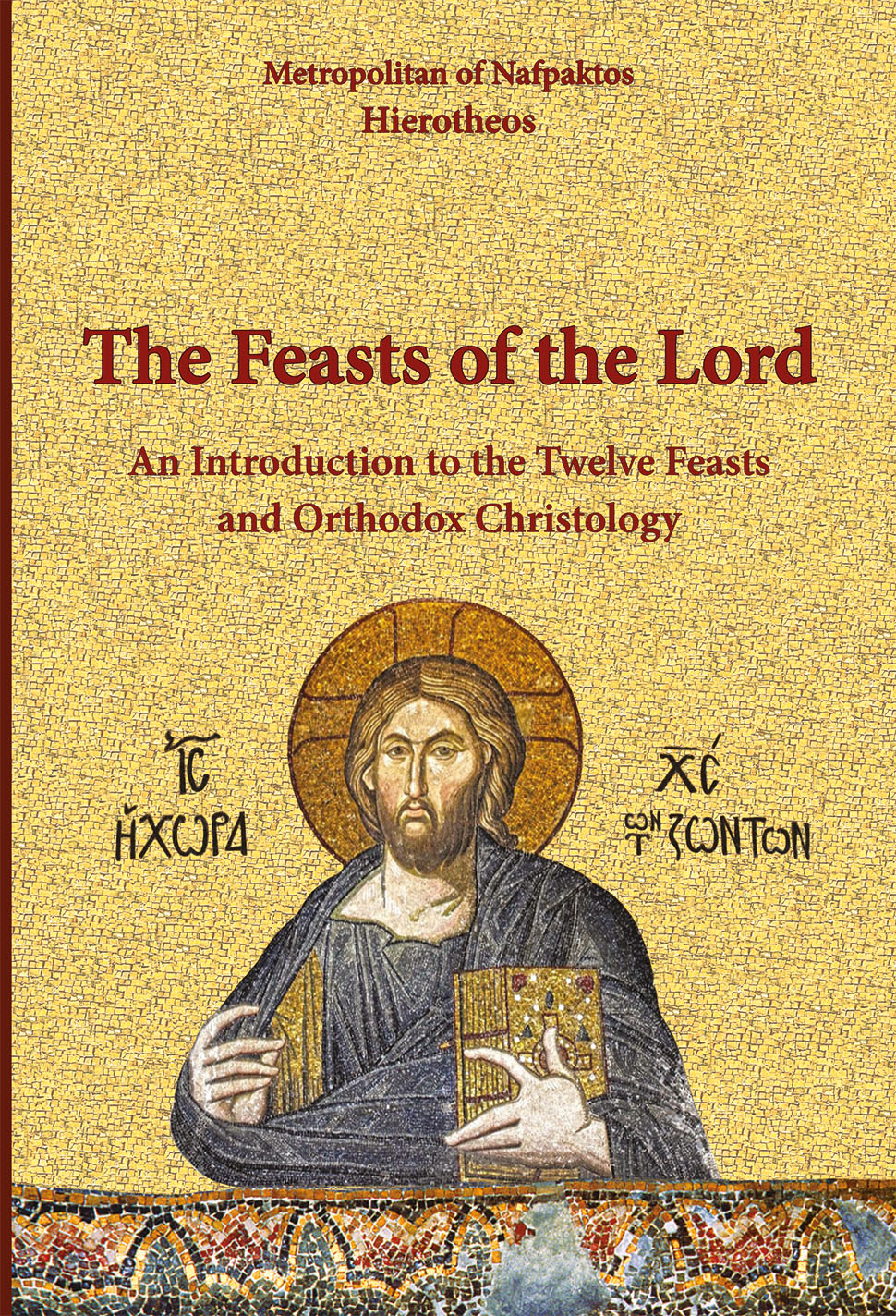
The Feasts of the Lord
The Feasts of the Lord is an Introduction to the Twelve Feasts and Orthodox Christology.
This book presents the basic theological events commemorated in the Feasts of the Lord Jesus Christ and looks at the key points in each. Everything experienced and done by the Lord reminds us of His condescension and self-emptying in procuring our salvation. Although these events are commemorated and experienced at every Divine Liturgy, the Church determined that they should also be celebrated separately, thus sanctifying the year and giving us the possibility of enjoying and experiencing the stages of the divine Economy in our personal lives. Based on extracts from Holy Scripture and the writings of the holy Fathers on each of the Feasts, this book considers each in turn. It is indispensable for all Church-goers who want to read about the Feast they are celebrating, and also for Clergy who want to research material for sermons.
Preface to the Fifth Greek Edition
Preface to the First English Edition
Introduction
Part 1 - The Twelve Feasts of the Lord
1. The Annunciation of the Theotokos – The Conception of Christ
a) The Meaning of the Annunciation
b) The Deification of the All-Holy Virgin
c) The Theotokos and Ancestral Sin
d) Obedience and Freedom of the Theotokos
e) The Word was Conceived by Way of Creation
f) The Deification of the Human Nature ‘from the First Moment of Conception’
g) The Natural and Supranatural Pregnancy
h) Conception without Pleasure, Pregnancy without Labour and Birth without Pain
i) The Theotokos as a Pattern of the Age to Come
j) Personal Participation in the Annunciation
2. The Nativity
a) A Historical Event and a Mystery
b) The Incarnation of the Son of God Was Prophesied in the Old Testament
c) The Veneration of the Shepherds
d) The Angels’ Hymn
e) The Veneration of the Magi
f) The Renewal of Creation
g) The Names ‘Son of God’ and ‘Christ’
h) The Two Births of Christ
i) Why the Word of God Became Man and Not the Other Persons of the Holy Trinity
j) The Purpose of the Incarnation: the Deification of Man
k) Incarnation and Self-Emptying
l) Christ’s Natural and Blameless Passions
m) Christ’s Two Natures Act “in Two Natures without Confusion, Immutably, Indivisibly and Inseparably”
n) The Terms ‘Composite Nature’ and ‘Composite Hypostasis’
o) Personal Participation in the Feast of Christ’s Nativity
3. The Circumcision of Christ
a) Circumcision and Uncircumcision
b) The Deeper Meaning of Jewish Circumcision
c) The Circumcision of Christ
d) Why Christ Was Circumcised
e) How the Early Church Dealt with Circumcision of the Flesh
f) The Apostle Paul on Circumcision
g) Justification and the Works of the Law
h) Baptism: the Circumcision of the New Testament
4. The Meeting of Christ
a) The Old Testament Commandment about Purification and the Ritual of Consecration
b) Christ and the All-Holy Virgin Did Not Need Purification
c) Christ is First-Born
d) Christ as an Infant and Pre-Eternal God
e) The Offering at the Ceremony
f) The Righteous and Devout Symeon
g) The Prophetess Anna
h) Marriage and Virginity
i) The Burning Coal in Symeon’s Arms
j) “Now Lettest Thou Thy Servant Depart in Peace”
k) Christ as a Sign Which Will Be Spoken Against
l) The Sword of the Panagia
m) The Christian Service Forty Days after the Birth of a Child
5. The Divine Theophany
a) Christ’s Childhood
b) Christ’s Progress and Increase in Age and Wisdom
c) Theophany – Epiphany
d) St John the Baptist
e) Different Kinds of Baptism
f) Why Christ Was Baptised
g) Reshaping the Human Race
h) The River Jordan and the Dead Sea
i) Manifestation of the Trinitarian God
j) The Beloved Son in Whom the Father Is Well Pleased
k) The Son as the Brightness of the Father
l) The Appearance of the Holy Spirit Like a Dove
m) St John the Baptist’s Divine Vision
n) Christian Baptism
o) The Energies of Baptism
p) Baptism and Spiritual Life
6. The Wisdom of God
a) Mid-Pentecost and the Feast of Tabernacles
b) Christ in Jerusalem during the Feast of Tabernacles
c) Christ is the Water and the Living Spring
d) Christ is the Light of the World
e) The Views of Contemporary Sophiology
f) The Wisdom of God according to Holy Scripture
g) The Holy Fathers on the Wisdom of God
h) The Energy of the Word of God
i) The Value of God’s Commandments
j) The Relationship between Teaching and Miracles
k) The Theological Value of Miracles
l) The Significance of the Names of Christ
m) The Great Value of the Name ‘Christian’
7. The Transfiguration of Christ
a) There Are Many Events of Transfiguration
b) The Meaning of ‘Transfiguration’
c) Mount Tabor and the Two Suns
d) The Light of Christ Is the Glory of the Divinity
e) The Kingdom of God
f) Christ Revealed the Prototype for the Creation of Man
g) Uncreated and Created Light
h) Uncreated Light Encompassed in Christ’s Body, the Darkness beyond Light
i) The Manifestation of the Holy Trinity
j) Moses and Elijah on Tabor
k) Why These Two Prophets Appeared
l) The Three Disciples on Tabor
m) Christ, the Centre of the Old and New Testaments
n) Christ’s Body Is Identically God
o) Different Ways of Participating in the Glory of God
p) What the Church Is and What Her Purpose Is
q) Personal Participation in Deification
8. The Raising of Lazarus and the Entrance of Christ into Jerusalem
a) The Raising of Lazarus as a Type of the General Resurrection
b) Christ’s Friends and Death
c) The Two Natures of Christ in the Event of the Death and Resurrection of Lazarus
d) Why Lazarus Was Raised Four Days after his Death
e) The Resurrection of Lazarus
f) Man’s Dead Nous and its Resurrection
g) Bethlehem, Bethany, Jerusalem
h) Christ’s Entry into Jerusalem with Humility
i) The Significance of the Colt and the Donkey
j) Christ’s Rational Animals
k) The Apostles’ Garments
l) The People’s Acclamation: “Hosanna! Blessed is He Who Comes...”
m) The Children’s Hymn
n) The Significance of the Palms
o) True Celebration
9. Christ’s Passion and Cross
a) Historical Events and Mystery
b) Christ’s Voluntary Passion
c) Healing the Mortality and Passibility of Human Nature
d) The Passion and the Cross Express God’s Love
e) Sorrow and Fear before the Passion
f) The Prayer in Gethsemane
g) The Two Natures of Christ during the Passion
h) Through the Ways in which He Suffered Christ Cured Man’s Passions
i) Golgotha and Crosses
j) The Cross of Christ as a Sign of Triumph and Glory
k) The Mystery of Reconciliation
l) Christ’s First Saying on the Cross: Prayer to the Father for the Crucifiers
m) The Second Saying: Concern for His Mother
n) The Third Saying: Assurance to the Thief of his Salvation
o) The Fourth Saying: Prayer to the Father about Being Forsaken
p) The Fifth Saying: about Thirst
q) The Sixth Saying: about His Death
r) The Seventh Saying, when He Cried Out with a Loud Voice and Gave Up the Spirit
s) Separation of the Soul from the Body, but the Divinity Is Undivided
t) The Body Did Not Decompose in the Tomb
u) The Deeper Meaning of Christ’s Side Pierced by a Spear
v) Taking Christ Down from the Cross and Placing Him in the Tomb
w) The Bridegroom of the Church
x) Participation in the Mystery of the Cross
10. The Resurrection of Christ
a) Why Christ’s Resurrection is Represented on Icons by His Descent into Hades
b) What Hades Is
c) The Teaching of the Church about Christ’s Descent into Hades
d) Why Christ Descended to Hades
e) How Hades Recognised Christ, and Which Captives Were Saved
f) The Importance of Great Saturday
g) The Resurrection of Christ after Three Days
h) The Value of Sunday
i) Christ Raised Himself as God
j) Why Christ Did Not Appear to Everyone after His Resurrection
k) The Eleven Appearances of the Risen Christ
l) The Appearance of Christ to the Myrrh-Bearing Women
m) The Appearance of Christ to the Panagia
n) The Appearance of Christ to the Disciples and the Bestowing of the Holy Spirit
o) The Risen Christ and the Apostle Thomas
p) The Appearance of Christ at the Sea of Tiberias
q) How the Consumption of Food by the Risen Christ Is to Be Understood
r) Christ’s Risen Body
s) The Resurrection of Christ also Brought Benefit to the Angels
t) The Meaning of Pascha
u) The Passover of the Law, the Pascha of Divine Grace, the Pascha of the Age to Come
v) Personal Participation in the Mystery of the Resurrection
11. The Divine Ascension
a) Holy Scripture on the Ascension of Christ
b) Why Christ Ascended after Forty Days
c) The Importance of Christ’s Ascension in Relation to Other Feasts of the Lord
d) The Feast of the Enthronement of Human Nature on God’s Throne
e) Christ is the Only One Who Ascended into Heaven
f) Christ Ascended with His Body
g) “He Has Gone Up with a Shout”
h) Christ Ascended While Blessing His Disciples
i) The Disciples Gaze up to Heaven and Are Assured that He Will Come Again
j) The Angelic World at Christ’s Ascension
k) “Lift Up the Gates”
l) The Angels’ Admiration
m) Christ Offers the Lost Sheep to His Father
n) Christ’s Promise to the Disciples of the Gift of the Holy Spirit
o) Personal Participation in Christ’s Ascension
p) Preconditions for Participation in the Feast of the Ascension
12. Pentecost
a) Jewish and Christian Pentecost
b) Pentecost, the Feast of the Holy Trinity
c) The Work of Christ and the Holy Spirit is Common
d) The Two Comforters
e) The Holy Spirit Reveals the Unincarnate Word to the Prophets
f) The Energy of the Holy Spirit in the New Testament
g) The Holy Spirit and the Church
h) The Meaning of the Descent of the Holy Spirit on the Day of Pentecost
i) The Presence of the Holy Spirit as a Mighty Wind
j) The Theological Significance of the Tongues of Fire
k) The Clothing of the Disciples with the Holy Spirit
l) Sober Intoxication
m) Through the Holy Spirit We Know Christ, and through Christ We Know the Holy Spirit
n) The Energies of the Holy Spirit and the Spiritual Gifts that He Gives to Members of the Church
Part 2 - Christological Issues
1. The Exceedingly Wonderful Feast
a) The Mystery of Kenosis
b) Christ’s Conception in the Womb of the Theotokos
c) Salvation – Re-creation
d) The Mystery of the Theotokos
2. The Incarnation of the Son and Word of God, according to St Athanasios the Great
a) The Incarnation as an Expression of God’s Love for Mankind
b) Changing the Corruptible and Mortal Body
c) Man’s Renewal by Christ Who is the Prototype of his Creation
d) The Mystery of the Incarnation
3. The Divine Incarnation as Independent of the Fall
a) General Teaching of the Fathers of the Church
b) The Teaching of St Nicodemus the Hagiorite about the Incarnation as Independent of the Fall
c) The Divine Economy as the Prior Will of God
d) Conclusions
4. The Tree of Knowledge and the Tree of Life
a) The Two Trees in the Original Paradise
b) The Patristic Interpretation of the Two Trees
c) The Godman Christ as the Tree of Life
d) The Tree of Life in the Book of Revelation
e) Eating from the Tree of Knowledge
f) The Christmas Tree
5. The Lamb of God
a) The Purpose of the Revelation of St John
b) The Lamb in Glory Looking as if It Had Been Slain
c) The Glorification of the Lamb
d) Beast and Lamb
Icons of the Feasts
Για να δείτε τις σωστές τιμές και τα σωστά μεταφορικά για τη χώρα σας, πρέπει πρώτα να κάνετε εγγραφή ή σύνδεση στον λογαριασμό σας.

Αφού συνδεθείτε, το σύστημα αναγνωρίζει αυτόματα τη χώρα αποστολής σας και εμφανίζει τις σωστές τιμές, τον Φ.Π.Α. και τα μεταφορικά.

όπως ΗΠΑ, Καναδάς και Αυστραλία, ο Φ.Π.Α. αφαιρείται αυτόματα μετά τη σύνδεση.

Για πελάτες χονδρικής, οι ειδικές τιμές χονδρικής εμφανίζονται αυτόματα στις τιμές των προϊόντων μετά τη σύνδεση στον λογαριασμό χονδρικής.
τα έξοδα αποστολής είναι δωρεάν:
με αποστολή μέσω ACS Courier.
Για αποστολές στο εξωτερικό χρησιμοποιούνται οι:
 DHL
DHL ACS Courier
Για παραγγελίες άνω των 50kg, η αποστολή πραγματοποιείται μέσω μεταφορικής εταιρείας κατόπιν συνεννόησης.

Οι ηλεκτρονικές συναλλαγές διασφαλίζονται από το ασφαλές περιβάλλον της Eurobank και της Εθνικής Τράπεζας της Ελλάδος